Choosing the right egg ingredient impacts more than just the recipe.
For food manufacturers, bakeries, hotels, restaurants, and caterers, the choice between egg powder and liquid eggs shapes storage, transport, inventory, and the production line itself.
In short: egg powder suits long storage, export, and bulk planning. Liquid eggs suit ready-to-use production with an existing cold chain.
Both are pasteurised and perform similarly in recipes, but they differ in convenience: ready-to-use liquid eggs need refrigeration, while shelf-stable powdered eggs require rehydration before cooking.
This guide compares egg powder vs liquid eggs across shelf life, transport, food safety, production, and cost, then shows which fits which application.
Key Takeaways
Here’s what to know:
The Short Answer: Egg powder for long storage, bulk procurement, and export; liquid eggs for ready-to-use production where a cold chain already exists.
Shelf Life and Storage: Egg powder stores at room temperature unopened; liquid egg is held at 4°C (40°F) or below and used within days of opening.
Transport: Egg powder ships without refrigeration; liquid egg needs temperature-controlled transport end to end.
Food Safety: Both are pasteurised; the difference is how much each depends on the cold chain after the products exit the manufacturing facility.
Production: Liquid egg pours straight in; egg powder is reconstituted with water, which lets you prepare only what a batch needs.
Cost: Compare total cost (storage, transport, inventory, waste), not purchase price alone.
Understanding the Two Egg Ingredients
Before comparing egg powder and liquid eggs, it’s important to understand what each product is and how it is used in commercial food manufacturing.
What Is Egg Powder?
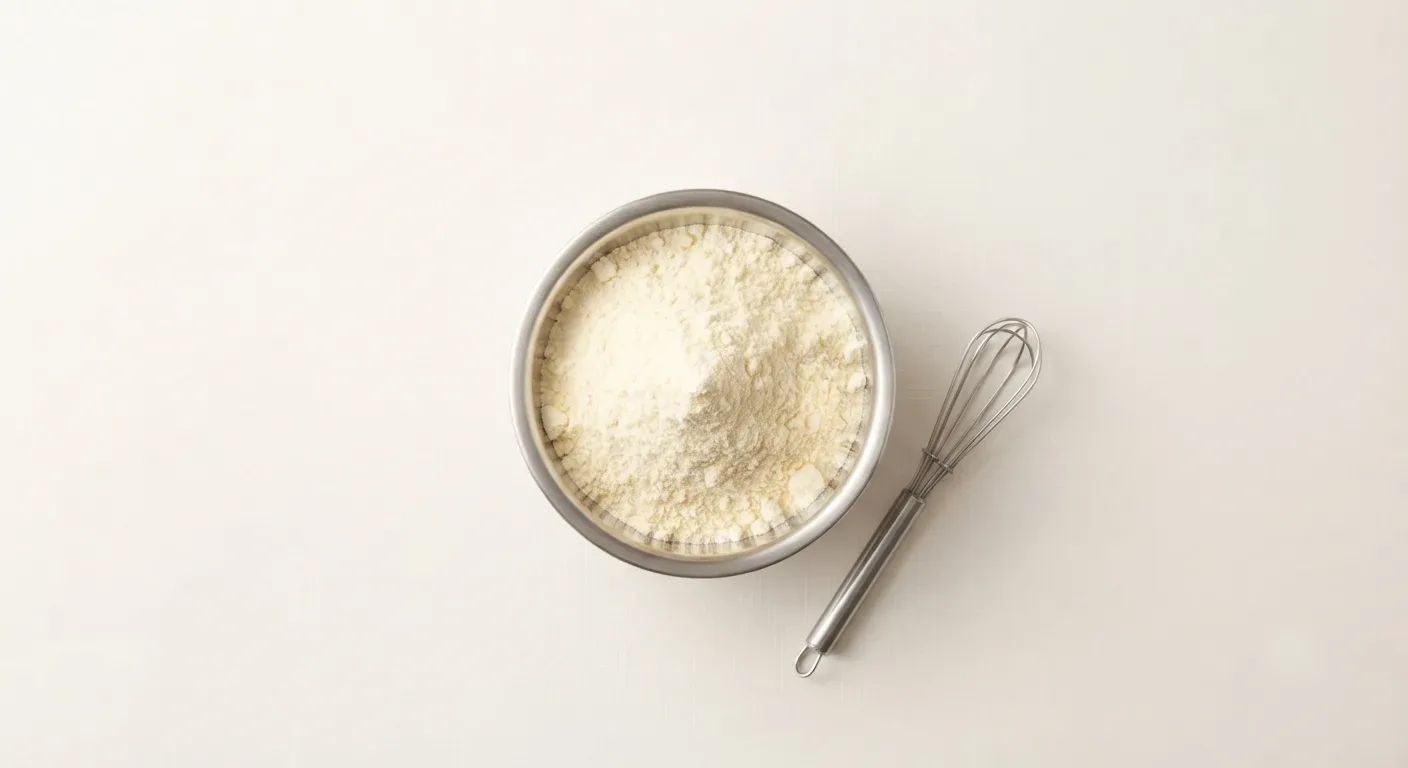
Egg powder is a dehydrated egg product made from fresh whole eggs, including both the egg white and yolk in their natural proportions.
In this guide, egg powder refers to whole egg powder, made from both the white and the yolk.
How Egg Powder Is Processed
Under India’s FSSAI standard, the eggs are washed before breaking, and the liquid is homogenised, filtered, pasteurised, desugarised, and pasteurised again before drying to a maximum moisture content of 2%. The drying step is spray drying, which gives a free-flowing powder with an extended shelf life that is reconstituted with water before use.
CookADoo’s Pro Tip: Egg powder should always be reconstituted according to the manufacturer’s recommended water-to-powder ratio. The appropriate ratio may vary depending on the product specification and intended food application.
What Are Liquid Eggs?
Liquid eggs are shell eggs that have been broken out, filtered, pasteurised, and packed in liquid form. They are supplied as whole egg, egg white, or egg yolk, in cartons, pouches, or bulk containers.
How Liquid Eggs Are Processed
Liquid eggs are produced by breaking fresh eggs, removing the shells, filtering the contents, and pasteurising the liquid to reduce harmful microorganisms before packaging under controlled conditions. Commercial kitchens, bakeries, food processing facilities, and ready-to-eat food production widely use them, especially when convenience and minimal prep are key.
CookADoo’s Pro Tip: Liquid eggs retain their natural moisture, so they require continuous refrigeration during storage and transport. USDA sets that at 40°F (4°C) or below, with unopened containers kept for up to 7 days and opened ones used within 3 days.
Egg Powder vs Liquid Eggs: Key Differences
While both egg powder and liquid eggs deliver similar functional benefits in food production, they differ in several operational aspects that can influence efficiency, costs, and scalability.
Here’s how they compare across the factors that matter most to commercial food businesses:
FeatureWhole Egg PowderLiquid Eggs Shelf Life and StorageLonger shelf life; generally stored in a cool, dry place under recommended conditions.Shorter shelf life; requires refrigeration according to product specifications. Transportation and Supply ChainEasier to transport and distribute without refrigerated logistics under recommended conditions.Requires temperature-controlled transportation and storage. Food Safety and HandlingDry format simplifies storage and handling; must be protected from moisture and contamination.Typically pasteurised; requires proper refrigeration and hygienic handling. Production EfficiencyRequires reconstitution but allows businesses to prepare quantities as needed and simplifies bulk storage.Ready to use, reducing preparation steps but requiring refrigerated storage and stock rotation. Cost ConsiderationsCan reduce refrigeration, transportation, and spoilage-related costs, depending on the operation.Refrigeration, temperature-controlled transport, and shorter storage periods can add to handling costs.
Shelf Life and Storage
Shelf life and storage requirements play a significant role in ingredient selection, particularly for businesses managing large production volumes.
Egg Powder: Egg powder is a dehydrated product, so it has an extended shelf life when stored in a cool, dry environment under the manufacturer’s recommended conditions.
Liquid Eggs: Liquid eggs are typically refrigerated and have a more limited shelf life once produced or opened, so they require consistent cold-chain storage and careful inventory management to maintain quality and food safety.
For businesses focused on reducing storage complexity and improving inventory management, egg powder provides greater flexibility while maintaining consistent performance in commercial food production.
Transportation and Supply Chain
Efficient transportation and supply chain management are essential for maintaining product quality and controlling operational costs in food manufacturing.
Egg Powder: Egg powder is easier to transport because it does not require a refrigerated cold chain when stored and handled according to the manufacturer’s recommendations.
Liquid Eggs: Liquid eggs require temperature-controlled transport and storage. They work well for businesses with an established cold chain and shorter supply routes. They can be used directly without a reconstitution step, making them convenient for operations that require a ready-to-use egg ingredient and consistent supply throughout production.
The better choice depends on the existing supply chain and production setup. Businesses should consider storage infrastructure, production volume, distribution requirements, and handling processes when deciding between egg powder and liquid eggs.
Food Safety and Handling
Food safety is a top priority in commercial food production, making the quality and handling of ingredients critical to maintaining consistent standards.
Egg Powder: Its dry form simplifies handling by eliminating the need for continuous refrigeration before opening. A 2021 study in the International Journal of Food Properties measured water activity of about 0.4-0.5 in egg powder, conditions it describes as unfavourable to microbial growth. When sourced from a manufacturer that follows recognised food safety and quality standards, egg powder can provide a consistent and dependable ingredient for a wide range of commercial applications.
CookADoo, for example, holds relevant food safety and quality certifications, like FSSC 22000, BRCGS, ISO 22000, and Halal, and is licensed by FSSAI.
Liquid Eggs: Liquid eggs are also typically pasteurised and provide a safe, high-quality ingredient when handled correctly. USDA notes that pasteurisation destroys Salmonella without cooking the egg or affecting its colour, flavour, nutritional value, or use. However, they must be stored, transported, and used under strict refrigerated conditions to maintain their quality and safety throughout the supply chain.
Regardless of the format, choosing a trusted supplier and following recommended storage and handling practices are essential for ensuring product quality and food safety.
Production Efficiency
In commercial food manufacturing, production efficiency depends on ingredients that support consistent quality while streamlining day-to-day operations.
Egg Powder: Egg powder simplifies production by offering a standardised ingredient that can be reconstituted as needed, allowing manufacturers to prepare only the required quantity for each batch. Its reduced ingredient waste makes it well suited for high-volume production environments.
Liquid Eggs: Liquid eggs offer the convenience of a ready-to-use ingredient, which can be beneficial when there is established refrigerated storage and continuous production schedules. However, businesses must carefully manage stock levels to ensure freshness and minimise spoilage.
The right choice ultimately depends on your production requirements. For businesses prioritising scalability, inventory flexibility, and streamlined operations, egg powder can be the better fit, while liquid eggs remain a practical option for workflows that benefit from ready-to-use ingredients.
Cost Considerations
When comparing egg powder and liquid eggs, it’s important to look beyond the purchase price. The overall cost of an ingredient is influenced by factors such as storage, transportation, inventory management, and food waste.
Egg Powder: Egg powder can help reduce operational costs by eliminating the need for continuous refrigeration, simplifying transportation, and supporting longer-term storage.
Liquid Eggs: Liquid eggs may have a higher overall handling cost because they require continuous refrigerated storage and temperature-controlled transportation throughout the supply chain.
Evaluating the total cost of ownership rather than the ingredient price alone can help businesses make a more informed decision.
How to Choose Between Egg Powder and Liquid Eggs
The right egg ingredient is not determined by shelf life or storage requirements alone. Businesses should also consider how the ingredient fits into their formulation, production process, purchasing cycle, and customer requirements.
The following six factors can help determine which format is a better fit.
1. Production Schedule and Demand Patterns
Match the ingredient to your production cycle. Liquid eggs suit continuous production, while egg powder offers greater flexibility for seasonal, fluctuating, or varied production.
2. Procurement and Order Planning
Consider your purchasing cycle and order volumes. Egg powder can suit bulk, planned procurement, while liquid eggs may work better with frequent replenishment and reliable refrigerated supply.
3. Product and Customer Specifications
Check formulation, regulatory, labelling, and customer requirements before choosing between liquid and dried egg products. Changes in egg format may require recipe or process adjustments.
4. Supplier Capabilities and Technical Support
Evaluate suppliers based on product consistency, quality documentation, technical support, minimum order quantities, and ability to meet your required volumes.
5. Export and Long-Distance Supply
Consider transit time and storage requirements. Egg powder is often better suited to long-distance shipping and export, while liquid eggs are better for shorter, temperature-controlled supply chains.
6. Run a Production Trial Before Switching
Test the ingredient in your actual production process before switching at scale. Evaluate reconstitution, processing time, mixing, yield, texture, and final product quality.
The same factors at a glance:
FactorBusiness NeedBetter Fit Production Schedule and Demand PatternsFlexible Production For Seasonal or Fluctuating DemandEgg Powder Procurement and Order PlanningBulk Purchasing and Longer Storage PeriodsEgg Powder Product and Customer SpecificationsFormulations Requiring a Ready-To-Use Liquid IngredientLiquid Eggs Supplier Capabilities and Technical SupportProduct Consistency, Quality Documentation, and Technical SupportEither, If the Supplier Provides Them Export and Long-Distance SupplyLong-Distance Shipping and Export LogisticsEgg Powder Production Trial Before SwitchingVerifying Product Quality, Texture, Yield, and Processing PerformanceTest Both
For businesses considering a switch, evaluating these factors alongside total operating costs can provide a more reliable basis for selecting the right egg ingredient format.
Also Read: Liquid Eggs vs Shell Eggs: Key Differences
Which Is Better for Different Food Applications?
Egg powder applications vary across food industries, from commercial baking and confectionery to sauces and ready meals. The choice between egg powder and liquid eggs depends on the product being made, production scale, and operational requirements.
While both offer useful functional properties, each format suits different production needs:
ApplicationRecommended OptionReason Commercial BakingEgg PowderDelivers Consistent Performance, Extended Shelf Life, and Simplified Inventory Management. Instant MixesEgg PowderEasy To Incorporate Into Dry Formulations and Supports Longer Product Shelf Life. Ready-to-Eat and Convenience FoodsBothThe Ideal Choice Depends On The Product Formulation and Manufacturing Process. Sauces and DressingsBothBoth Provide Effective Emulsification When Used Correctly. ConfectioneryEgg PowderSupports Consistent Texture and Large-Scale Production. Nutritional ProductsEgg PowderOffers High-Quality Protein and Integrates Easily Into Powdered Formulations. Restaurants and CateringBothThe Preferred Option Depends On Kitchen Workflows, Storage Capacity, and Production Volume.
Ultimately, there is no one-size-fits-all solution. It is best to consider the processes, storage capabilities, supply chain requirements, and product formulations to determine which ingredient best supports your operational goals.
Conclusion
Both egg powder and liquid eggs offer excellent functionality for commercial food production, but each has different advantages depending on your business requirements.
When comparing egg powder vs liquid eggs, consider your storage facilities, production volume, and distribution needs.
Liquid eggs may suit businesses with established cold-chain systems and continuous production, while egg powder may be a better fit for businesses prioritising longer shelf life, simpler storage, and long-distance distribution.
Why Choose CookADoo?
At CookADoo, we offer premium-quality whole egg powder and commercial egg products. Every batch is produced under stringent quality standards to meet the requirements of commercial food manufacturers.
Learn more about CookADoo and our approach to quality and manufacturing.
Our egg powders are designed to support a wide range of applications, from commercial baking and confectionery to ready-to-eat foods, sauces, nutritional products, and hotel, restaurant, and catering operations.
For businesses with specific formulation requirements, we also offer Egg Albumen Powder, Egg Yolk Powder, Whole Egg Liquid, Egg White Liquid, and Egg Yolk Liquid.
With a focus on consistent quality, reliable supply, and customer-centric solutions, we serve diverse food businesses across multiple industries.
Looking for a Reliable Egg Powder Supplier?
If you are considering egg powder for food manufacturing operations, CookADoo is here to help. Our premium egg powder is manufactured from carefully selected fresh eggs using advanced spray drying technology to deliver consistent functionality, quality, and performance across a wide range of food applications.
Whether you need technical product specifications, would like to request a product sample, or want guidance on selecting the right egg ingredient for your application, our team is ready to assist.
Contact CookADoo today to discuss your requirements and discover how our egg-based ingredients can support efficient, scalable, and high-quality food production.
Frequently Asked Questions
Is egg powder better than liquid eggs for food manufacturing?
Both ingredients offer excellent functionality, but egg powder is often preferred for large-scale food manufacturing because of its extended shelf life, easier storage, simplified transportation, and reduced food waste.
Can egg powder replace liquid eggs in commercial recipes?
Yes. When reconstituted according to the manufacturer’s instructions, egg powder can replace liquid eggs in many commercial applications, including baking, sauces, ready meals, confectionery, and nutritional products.
Does egg powder require refrigeration?
Not before opening. Unopened egg powder can be stored in a cool, dry place. USDA recommends storing opened egg powder in a tightly sealed container in the refrigerator.
Which ingredient is more suitable for commercial baking?
Both are suitable, but many commercial bakeries choose egg powder for baking due to its consistent performance, extended shelf life, and ease of inventory management.
Is egg powder as functional as liquid eggs?
Yes. Egg powder retains most of the functional properties of eggs; the FSSAI standard requires it to retain the original properties of fresh eggs, including protein solubility, aerating capacity, palatability, and binding power. Some, such as foaming, can vary with processing and storage, so a production trial is recommended.
Which industries benefit most from egg powder?
Egg powder is widely used by commercial bakeries, food manufacturers, hotels, restaurants, catering businesses, confectionery producers, sauce and dressing manufacturers, and nutritional product companies.
Sources
United States Department of Agriculture (USDA): Egg Products and Food Safety
International Journal of Food Properties (2021): Physico-chemical and Functionality of Air and Spray Dried Egg Powder: Implications to Improving Diets
Trends in Food Science & Technology (September 2025), via ScienceDirect: Egg Powder: Constraints, Methods of Enhancing Functional Properties and Innovative Applications
Food Safety and Standards Authority of India: FSSAI Compendium, Food Product Standards, Chapter 2.5 (Meat and Meat Products), Section 2.5.3 Egg and Egg Products