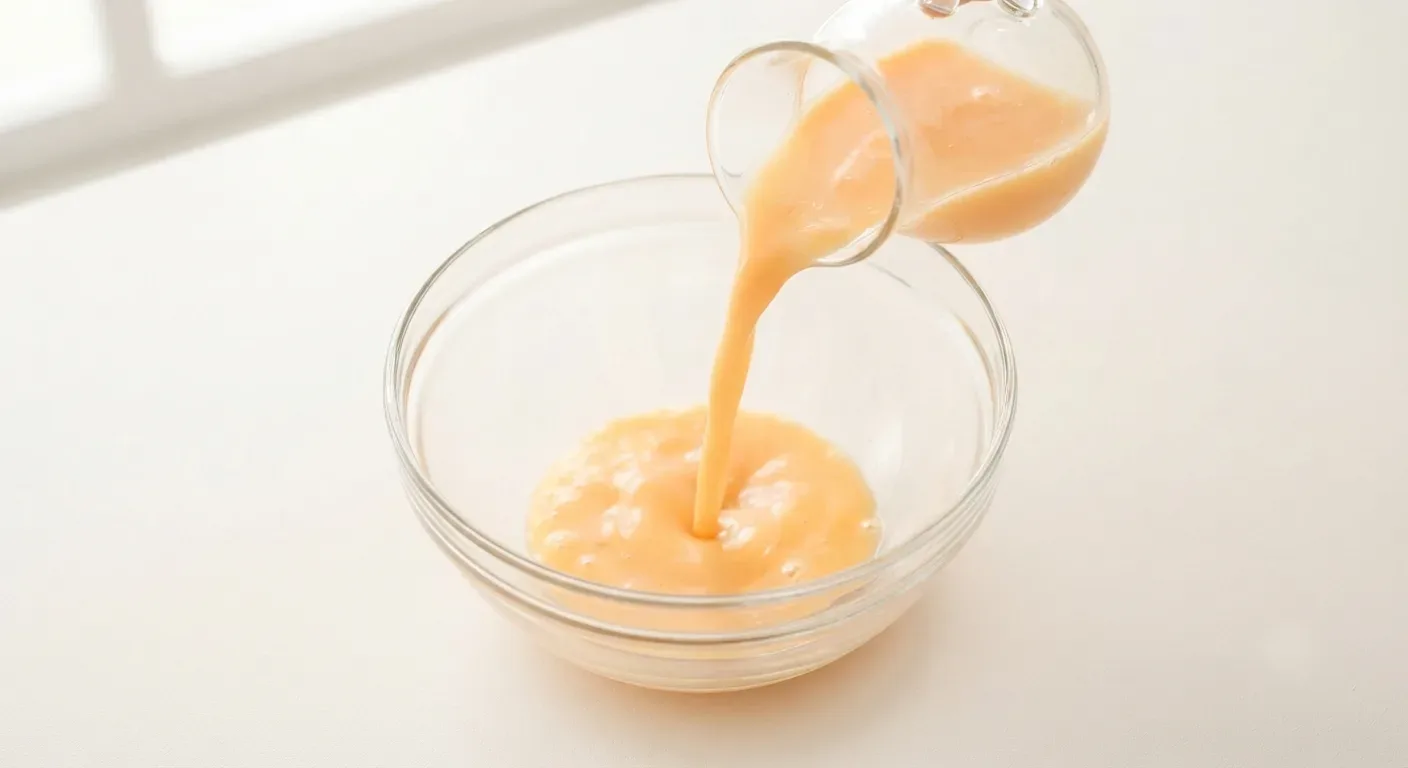
Are liquid eggs as safe as shell eggs?
It is a reasonable question. Eggs are a familiar ingredient, but once they leave the shell and arrive as a liquid, many businesses want to know what keeps them safe.
The short answer: pasteurisation, followed by careful handling.
Liquid egg products are heat-treated under controlled conditions to destroy harmful bacteria, then packaged and kept cold until they are used. Produced and handled this way, liquid eggs can be a safe and practical ingredient for commercial food production.
So the real question is not shell or carton. It is whether the right controls are in place from processing to production. Here is what pasteurisation does, what happens to the egg along the way, and what to check in a supplier.
Key Takeaways
- Safety: Liquid eggs can be safe for commercial use when they are pasteurised, stored cold, and handled correctly.
- Pasteurisation: Heats liquid egg to a set temperature for a set time, destroying Salmonella without cooking the egg or changing its colour, flavour, or nutritional value.
- The Shell: Removing it does not make an egg product unsafe; losing temperature control does.
- Regulation: India, the United States, and Canada all specify pasteurisation for liquid egg products.
- After Processing: Safety depends on the cold chain, hygiene, and the storage instructions on the pack.
- Choosing A Supplier: Certifications, process controls, and documentation are the quickest way to judge product safety.
What Are Liquid Eggs?
Liquid eggs are eggs that have been removed from their shells and processed into a ready-to-use liquid format. Depending on the product, they are supplied as whole egg, egg white, or egg yolk.
Why commercial kitchens use them
For food businesses, this simplifies how eggs enter production. Instead of receiving shell eggs that need to be cracked and prepared, commercial liquid eggs are measured and added directly to the formulation.
Removing the shell raises an obvious question: if the egg is no longer protected by its shell, what keeps it safe? That is the job of pasteurisation.
What Is Egg Pasteurisation?
Pasteurisation is a controlled heat treatment that destroys harmful microorganisms in egg products. The liquid egg is heated to a set minimum temperature, held there for a set time, and then cooled quickly.
Does pasteurisation cook the egg?
No. The U.S. Department of Agriculture (USDA) states that pasteurisation destroys Salmonella but does not cook the eggs or affect their colour, flavour, nutritional value, or use. Liquid egg pasteurisation is a safety step, not a cooking step.
What the Indian standard says
In India, the Food Safety and Standards Authority of India (FSSAI) defines a liquid egg product as whole egg, yolk, or white that has been pasteurised. For a product sold under that standard, pasteurisation is part of the definition rather than an optional extra.

From Shell Egg to Pasteurised Liquid Egg: How Is Safety Maintained?
Pasteurisation is one stage in a longer sequence. The USDA describes how egg products are made in an inspected plant, and FSSAI’s standard sets out the same steps for India:
- Selection and inspection: Eggs are graded and candled, and cracked, dirty, or defective eggs are removed before processing.
- Washing and breaking: Shells are washed and sanitised, then the eggs are broken by machine and the contents separated from the shell.
- Separation and filtering: Whites and yolks are separated where the product calls for it, and the liquid is filtered and chilled before pasteurisation.
- Pasteurisation: The liquid is heated to the minimum temperature for the required time, then cooled rapidly.
- Packaging: The pasteurised liquid is filled into sealed, food-grade containers that protect it during handling and distribution.
- Cold chain and distribution: The packed product is held refrigerated or frozen and transported under temperature control until it reaches the customer.
The liquid egg that arrives at a kitchen is therefore not a shell egg that has been cracked and packed. It has been inspected, washed, broken, filtered, pasteurised, and kept cold, with a check at each stage.
How Does Pasteurisation Help Keep Liquid Eggs Safe?
The U.S. Food and Drug Administration (FDA) notes that fresh eggs, even those with clean, uncracked shells, may contain Salmonella. Cracking the egg does not create that risk, but it removes the barrier, which is why the liquid is heat-treated before it leaves the plant.
Pasteurisation is also the control regulators point to when eggs will not be fully cooked. The FDA tells consumers and foodservice operators alike to use pasteurised egg products in any recipe where the egg is served raw or undercooked, and the USDA notes that institutional foodservice operators use egg products to ensure a high level of food safety.
What pasteurisation does and does not do
| What pasteurisation does | What pasteurisation does not do |
|---|---|
| Destroys Salmonella and other harmful bacteria in the liquid egg | Cook the egg |
| Holds the liquid at a set minimum temperature for a set time, then cools it | Change the egg’s colour, flavour, or nutritional value |
| Makes the product suitable for recipes where the egg is not fully cooked | Replace refrigeration, hygiene, or correct handling after processing |
The important distinction is that pasteurisation is not a substitute for good handling. It is one part of a broader food safety process that includes appropriate storage, transportation, hygiene, and handling.
Also Read: Liquid Eggs vs Shell Eggs: Key Differences
Does Pasteurisation Affect the Quality of Liquid Eggs?
Pasteurisation is designed to destroy harmful microorganisms without cooking the egg, so liquid egg products keep the functional properties their applications depend on: whipping in egg white, emulsifying in egg yolk, binding and structure in whole egg.
The heat treatment is matched to the product. The Canadian Food Inspection Agency (CFIA) sets different minimum conditions for each format: liquid whole egg at 60°C for 3.5 minutes, liquid egg white at 54°C for 3.5 minutes, and liquid egg yolk at 61°C for 3.5 minutes, with higher temperatures for products with added salt or sugar.
For businesses, the objective is simple: destroy the hazard and keep the function.
What Else Helps Keep Liquid Eggs Safe?
Pasteurisation handles the hazard at the plant. After that, safety depends on storage, transport, and handling. The FDA advises foodservice operators to accept liquid, frozen, and dried egg products only if they are pasteurised, and to wash, rinse, and sanitise utensils, equipment, and work surfaces after preparing eggs.
The controls that matter most:
- Temperature control: Keep liquid egg at 4°C (40°F) or below from delivery to use, including in transit. FSSAI’s standard and USDA guidance both set that ceiling for refrigerated liquid egg.
- Hygiene and cross-contamination: Clean equipment, clean hands, and separation from raw ingredients, at the plant and in the kitchen.
- Packaging: Sealed, food-grade containers protect the pasteurised liquid through handling and distribution. Reject any pack that arrives open or damaged.
- Storage instructions: Follow the storage conditions and use-by date on the pack, and do not refreeze liquid egg that has been thawed.
The safety of a liquid egg product is not determined by one step alone. It comes from maintaining the right controls throughout the product’s journey.
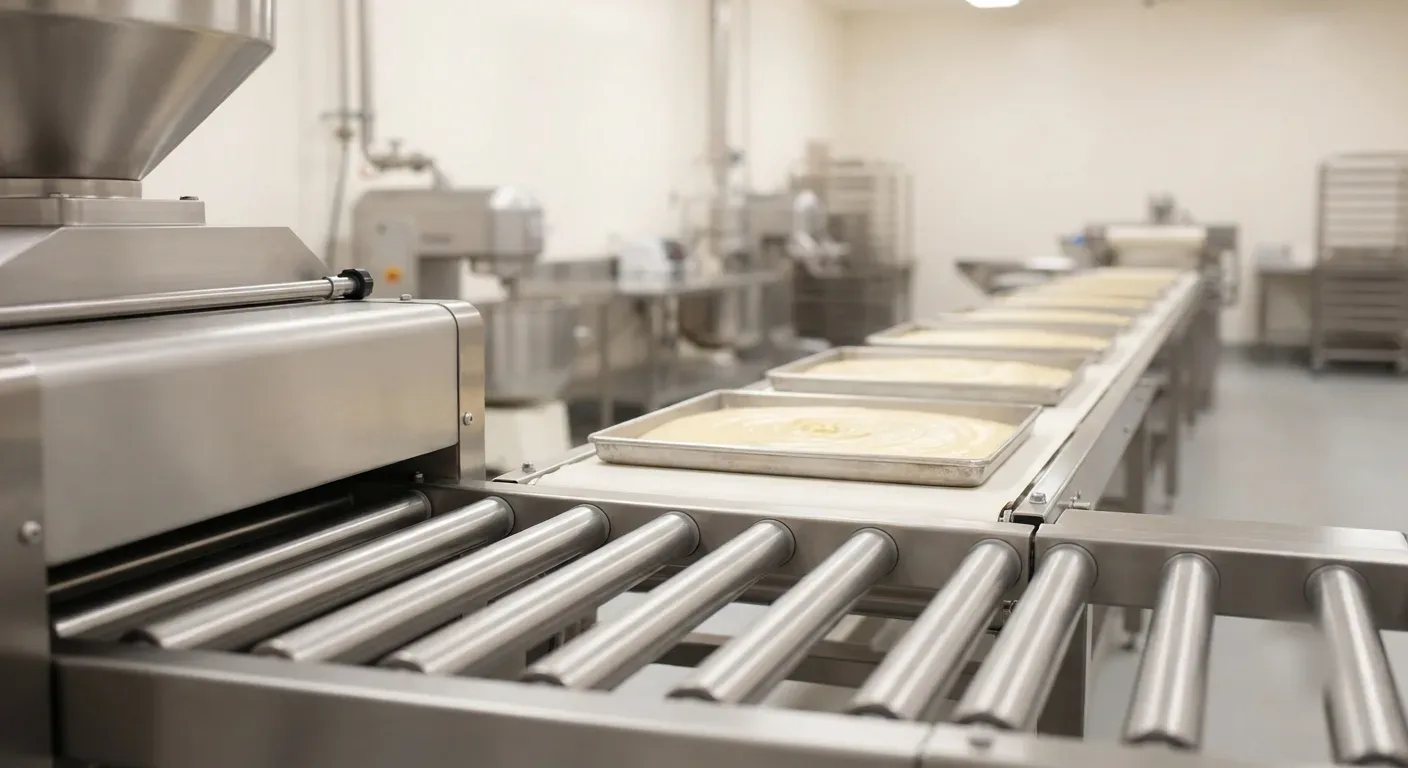
What Should Businesses Look for in a Liquid Egg Supplier?
If liquid egg safety depends on more than one step, the supplier is a large part of the equation. Choosing one on price or product format alone misses the processes behind the product.
Here is what to check:
- Food safety certifications: Look for recognised liquid egg safety standards and the certificates to prove them. CookADoo is certified to FSSC 22000, BRCGS, ISO 22000, and Halal, and licensed by FSSAI; copies can be requested from the certifications page before any order.
- Processing controls and quality checks: Ask how eggs are inspected, washed, broken, and pasteurised, and what is tested before a batch is released.
- Product specifications and documentation: Check the product type, storage requirements, use-by date or shelf-life information, and the specification sheet and certificate of analysis for each batch.
- Storage and transport: The product should be handled and transported under the conditions its format needs, with the cold chain documented.
- Consistency and fit: A dependable supplier delivers the same quality across batches and can confirm the product suits the intended use, whether that is baking, sauces, confectionery, or prepared foods.
A liquid egg product is only as reliable as the system behind it, and a supplier that can show you that system makes the move from shell eggs to processed egg products much easier.
The CookADoo Approach to Egg Safety
At CookADoo, food safety is built into the process rather than checked at the end. Eggs are graded and candled at selection, pasteurised and laboratory-tested before release, and every batch is traceable to its production date.
Every format is produced under FSSC 22000, BRCGS, ISO 22000, and Halal certification and an FSSAI licence, and the certificates are available to buyers on request.
Whole Egg Liquid, Egg White Liquid, and Egg Yolk Liquid are all supplied pasteurised, in formats suited to bakery, sauce, confectionery, and prepared-food production; the full range includes the dried formats as well.
Conclusion
When liquid eggs are properly processed, pasteurised, stored, and handled, they can be a safe and practical ingredient for commercial food production.
Safety does not come from the shell. It comes from the controls applied at each stage of the product’s journey, from candling and washing through pasteurisation to the cold chain. Choosing pasteurised liquid eggs from a supplier that holds those controls, and can document them, takes most of the risk out of the decision.
Ready to make the switch? Talk to CookADoo about the right liquid egg format for your business, or request a sample kit and test it on one recipe.
Frequently Asked Questions
Are liquid eggs safe to use?
Yes, when they are pasteurised and handled correctly. Pasteurised liquid eggs are the format regulators recommend where egg will not be fully cooked, and they stay safe as long as the cold chain, hygiene, and storage instructions are followed.
Are liquid eggs pasteurised?
In regulated markets, yes. FSSAI’s standard defines a liquid egg product as pasteurised, and US law requires every liquid, frozen, or dried egg product to be pasteurised. Check the product specification for the treatment used and the shelf life.
Does pasteurisation cook liquid eggs?
No. Pasteurisation holds the liquid egg at a set temperature for a set time, high enough to destroy Salmonella but well below cooking temperatures, so the egg stays liquid and keeps its functional properties.
Do liquid eggs need to be refrigerated?
Yes. Keep liquid egg at 4°C (40°F) or below, the ceiling in both the FSSAI standard and USDA guidance, and use it within the shelf life on the pack. Frozen liquid egg is thawed in the refrigerator and never refrozen.
Are liquid eggs as nutritious as shell eggs?
Yes. The USDA states that pasteurisation does not affect the egg’s nutritional value, and the American Egg Board puts liquid, frozen, and dried egg products on a par with shell eggs in nutritional value and most functional properties.
Can liquid eggs be used in commercial food production?
Yes. Liquid whole egg, egg white, and egg yolk products can be used across applications such as baking, confectionery, sauces, dressings, and prepared foods.
What makes liquid eggs safe?
Pasteurisation at the plant, then an unbroken cold chain, clean handling, sealed packaging, and use within the shelf life on the pack. No single step does the job on its own.
What should businesses consider when choosing a liquid egg supplier?
Certifications and licences you can verify, documented processing controls and batch testing, specification sheets and certificates of analysis, a documented cold chain, and consistent quality from batch to batch.
Sources
- U.S. Department of Agriculture, Food Safety and Inspection Service: Egg Products and Food Safety
- U.S. Food and Drug Administration: What You Need to Know About Egg Safety
- U.S. Food and Drug Administration: Assuring the Safety of Eggs and Menu and Deli Items Made From Raw, Shell Eggs
- Canadian Food Inspection Agency: Preventive Controls for Food: Eggs and Processed Egg Products
- Food Safety and Standards Authority of India: Food Product Standards, Chapter 2.5.3, Egg and Egg Products (Version 4, August 2025)
- American Egg Board: Conversion to Egg Products