India's egg processing industry has grown into a credible international supply source, backed by large-scale poultry production and increasingly GFSI-benchmarked processing facilities. For a buyer evaluating an Indian supplier for the first time, here's the landscape.
Regulatory Framework
Indian food exporters operate under a layered compliance structure:
- FSSAI (Food Safety and Standards Authority of India) — the domestic food safety license, required for any food manufacturer.
- APEDA (Agricultural and Processed Food Products Export Development Authority) — registration required specifically for exporting processed food products, including egg products, out of India.
- IEC (Import Export Code) — issued by the DGFT (Directorate General of Foreign Trade), required to legally conduct any international trade transaction.
A legitimate Indian egg exporter should hold all three, plus internationally recognized food safety certifications — ISO 22000, FSSC 22000, and/or BRCGS — which are what most EU, UK, and GFSI-conscious buyers will actually require before qualifying a supplier.
What Documentation Should Ship With Every Order
At minimum, expect:
- Certificate of Analysis (COA) — per batch, not per shipment
- Certificate of Origin
- Phytosanitary Certificate
- Halal Certificate, where applicable to your market
- Commercial invoice and packing list
- Bill of lading
If a supplier can't produce these without delay, that's a signal to keep looking.
Port and Logistics
Most Indian egg product exports move through JNPT / Nhava Sheva near Mumbai, India's largest container port. Typical transit times vary significantly by destination — Middle East routes run roughly 5–9 days, Southeast Asia 10–15 days, East Asia 14–20 days, Africa 15–22 days, and Europe 18–25 days. Standard Incoterms offered are FOB, CIF, and CFR.
Product Range Available From India
Indian processors commonly supply the full egg product range:
- Spray-dried whole egg, yolk, and albumen powders, in standard and specialized grades
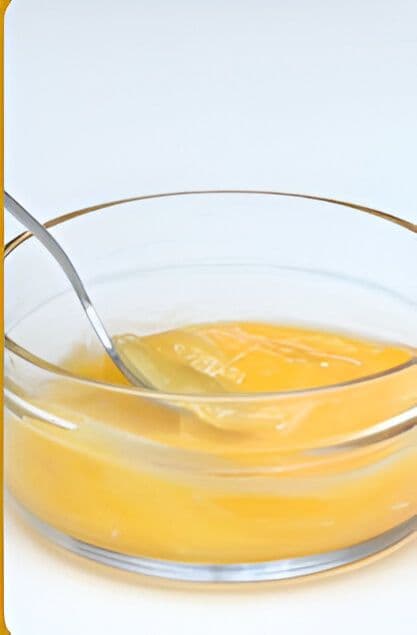
- Pasteurized frozen/liquid whole egg, yolk, and albumen
- Egg shell powder (calcium carbonate source)
- Hydrolyzed eggshell membrane collagen
Trial Orders Before Committing to Container Volumes
A serious exporter should offer a meaningfully lower minimum order for first-time buyers — commonly around 100kg for liquid products and 500kg for powders — specifically so you can validate product quality and documentation workflow before committing to a full container.
Questions Worth Asking Before You Order
- Are you vertically integrated (own farms/feed mills), or sourcing eggs from third-party farms? This affects batch consistency.
- Can you share certification copies before any commercial commitment?
- What's your standard production lead time, and how does that combine with transit time to my destination?
- How do you handle a quality dispute — do you retain batch samples?
A well-run Indian exporter should have straightforward answers to all of these.