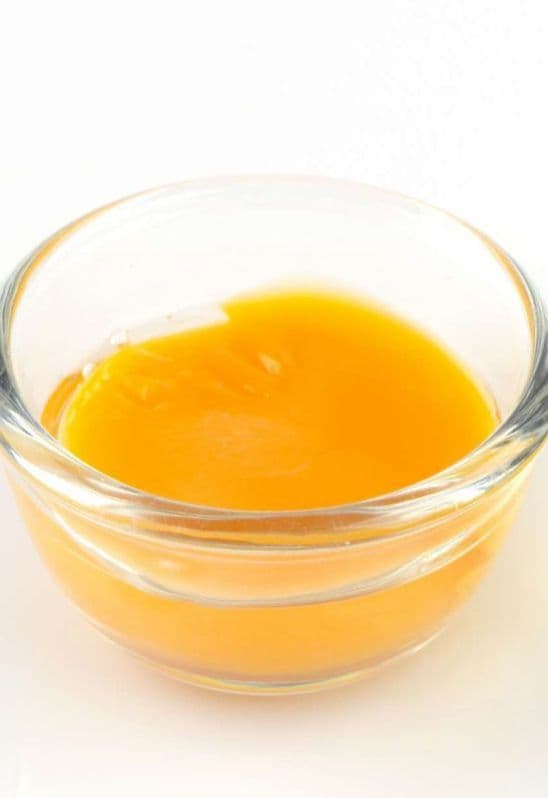
Unlike the fresh-vs-processed question, egg powder and liquid egg are both pasteurized, standardized, food-safe ingredients. The choice between them comes down to your infrastructure and production process — not food safety or quality.
Shelf Life and Storage
This is the clearest differentiator. Egg powder is shelf-stable at ambient temperature for 6+ months. Liquid egg — even pasteurized and frozen — requires an unbroken cold chain (frozen liquid typically holds around 12 months at -18°C, but demands continuous freezer storage and thaw management). If your facility lacks reliable cold storage, or you're importing ingredients over a long transit route, powder removes an entire category of risk.
Dosing and Process Integration
Liquid egg has an advantage if your production line is already built around wet-ingredient dosing systems — it drops in without a reconstitution step. Powder requires rehydration (adding water back to match the target moisture profile) before use, which is an extra process step, though a straightforward one once your ratios are established.
Shipping and Logistics Cost
Powder is dramatically more shipping-efficient — removing the water content means less weight and volume per unit of functional egg solids, and no reefer container requirement. Liquid egg needs cold-chain shipping (typically frozen, in reefer containers), which adds meaningful logistics cost, especially for international orders.
Concentration and Formulation Control
Because powder is concentrated, it gives you more control over the final moisture content of your formulation — you decide how much water to add back. Liquid egg's moisture content is fixed at whatever the product specification states, which is simpler but less flexible if your recipe needs a different hydration profile.
A Simple Decision Framework
Choose powder if: you lack reliable cold storage, you're sourcing internationally or across long transit routes, you want maximum shelf life and inventory flexibility, or shipping cost efficiency matters.
Choose liquid egg if: your line is already built around wet-ingredient dosing, you have reliable cold-chain infrastructure from receiving through use, you want to skip the rehydration step entirely, or your supply chain is short enough that cold-chain risk is manageable.
The Bottom Line
Neither format is objectively "better" — the right choice depends on your existing infrastructure more than any inherent quality difference. Many manufacturers actually use both: liquid for local, fast-turnover production, and powder for anything shipped long-distance or held in inventory.