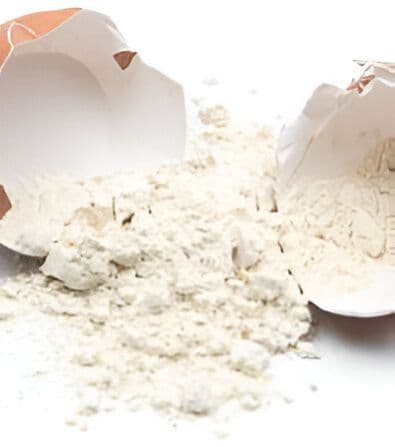
Every egg processed for its yolk and albumen leaves behind a shell — and that shell, cleaned, sterilized, and finely micronized, turns out to be a genuinely useful nutraceutical ingredient rather than simple processing waste.
What Egg Shell Powder Actually Is
Egg shell is composed primarily of calcium carbonate — the same mineral compound found in many synthetic calcium supplements, but here derived from a natural source. Properly processed egg shell powder can reach up to 95–99% calcium carbonate purity at cosmetic/nutraceutical grade, finely micronized for use in capsules, tablets, and fortified food applications.
Why Formulators Use It
- Natural calcium source. For brands building a "natural" or "whole food" positioning, egg shell-derived calcium carbonate is a genuine point of differentiation from mined or synthetically produced calcium sources.
- High purity at scale. Because it's a byproduct of controlled egg processing (not sourced from variable natural deposits), purity and consistency can be tightly controlled batch to batch.
- Multi-application ingredient. Beyond human nutraceuticals, the same ingredient serves calcium fortification in foods, pet nutrition, and animal feed formulations — useful for manufacturers serving multiple product lines from one ingredient.
Common Applications
- Calcium supplements — capsule and tablet formulations targeting bone health
- Fortified foods — calcium enrichment in baked goods, beverages, and functional foods
- Nutraceutical products — broader mineral supplement blends
- Pet nutrition and animal feed — calcium supplementation in formulated pet food and livestock feed
Formulation Considerations
Because egg shell powder is essentially pure calcium carbonate, it behaves predictably in formulation — but sourcing quality matters more than it might seem. Processing must reliably remove the shell membrane and any residual organic material, since incomplete cleaning affects both purity and the finished product's odor and appearance. Ask suppliers for purity specification (percent calcium carbonate) rather than accepting a general "cosmetic grade" label without data behind it.
Sourcing Checklist
- Confirmed calcium carbonate purity percentage (not just "high purity")
- Micronization/particle size data, relevant to capsule vs tablet formulation needs
- Food/nutraceutical-grade processing certification (FSSAI, ISO 22000)
- Consistent sourcing from controlled egg processing (not variable third-party shell collection)
For nutraceutical brands looking for a natural, traceable calcium ingredient with a genuine sustainability story — using what would otherwise be a processing byproduct — egg shell powder is worth evaluating against standard synthetic calcium sources.